hardware solutions

Controlled re-entry, on a precise schedule

High-thrust deorbit burns and precise attitude control for return missions where burn timing and landing accuracy are critical.
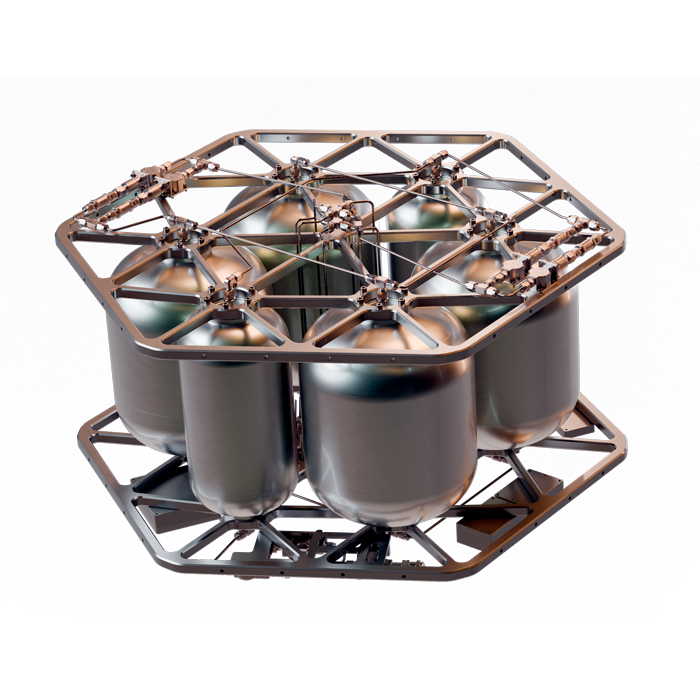
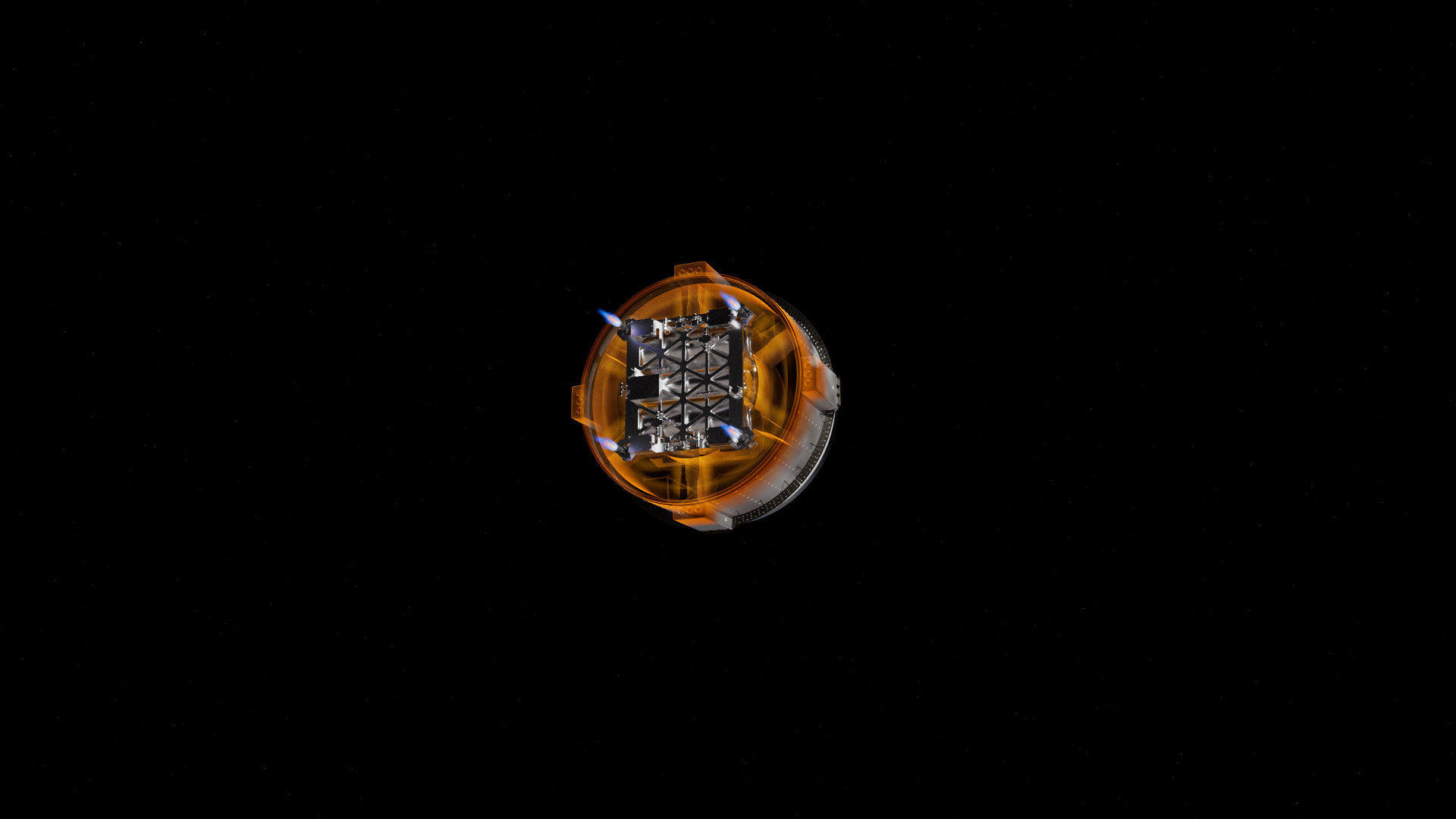
Configure BOOSTER for controlled deorbit and re-entry missions. High thrust delivers the required ΔV in a single burn, while multi-thruster configurations maintain precise attitude control throughout the manoeuvre.
Single-burn deorbit capability
Typically 150–200+ m/s delivered in minutes
High-thrust configurations
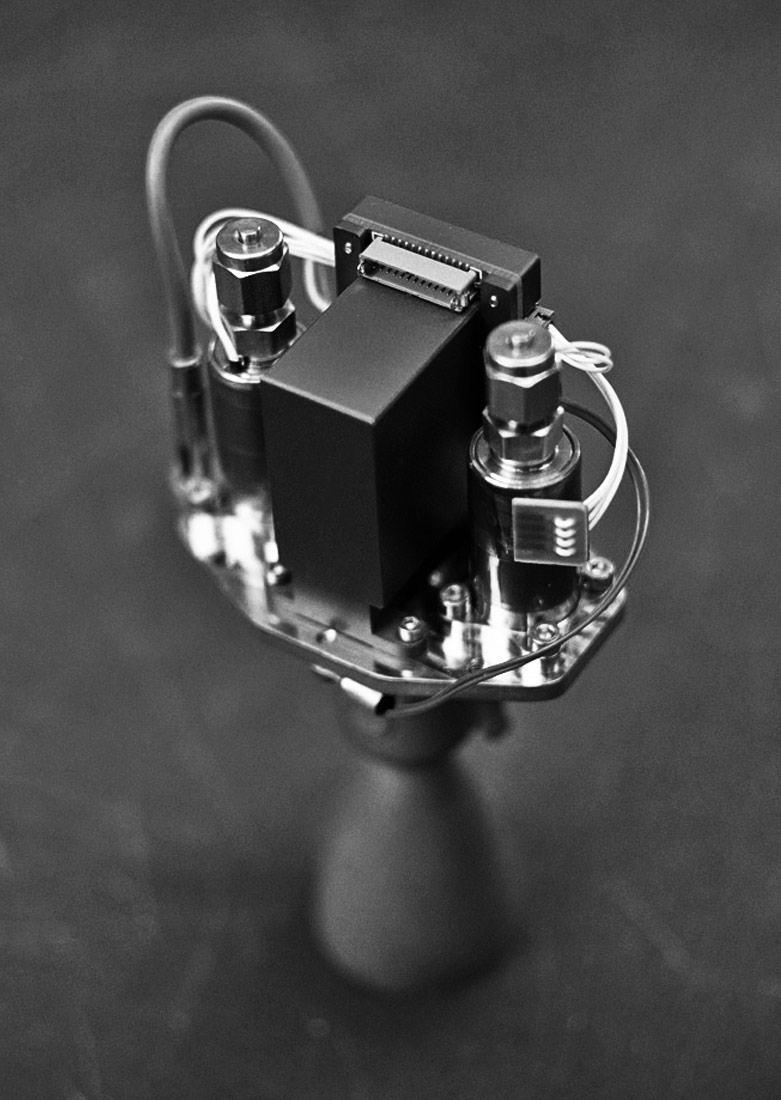
Combine multiple 1/5/20 N thrusters to deliver the thrust your deorbit requires.
Green propellants
Non-toxic:
N2O + C2H6
Continuous firing
20+ minute burn demonstrated
Delivered impulse precision
Closed-loop estimate based on onboard sensing and system models
Thruster configurability
Up to 14 thrusters in one system
How BOOSTER supports re-entry missions
Large ΔV in a single burn
Use the full propellant load in one continuous firing and deliver required ΔV within minutes. This simplifies the deorbit sequence and reduces the need for multiple manoeuvres.
Precise delivered impulse
During the burn, onboard sensing and BOOSTER firmware estimate the delivered total impulse in closed loop, allowing the system to stop at the commanded value with defined accuracy.
High thrust with full attitude control
Combine multiple 1 N, 5 N, and 20 N thrusters to reach hundreds of newtons of system thrust while maintaining spacecraft attitude throughout the deorbit burn. This enables a controlled, single-burn manoeuvre into the planned re-entry corridor.
Reference configurations
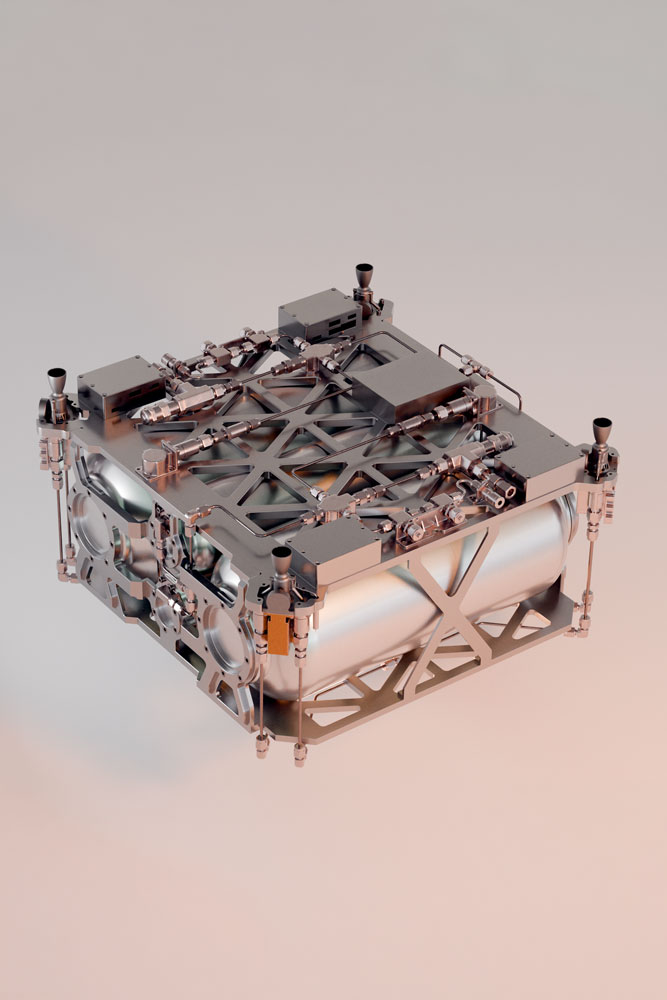
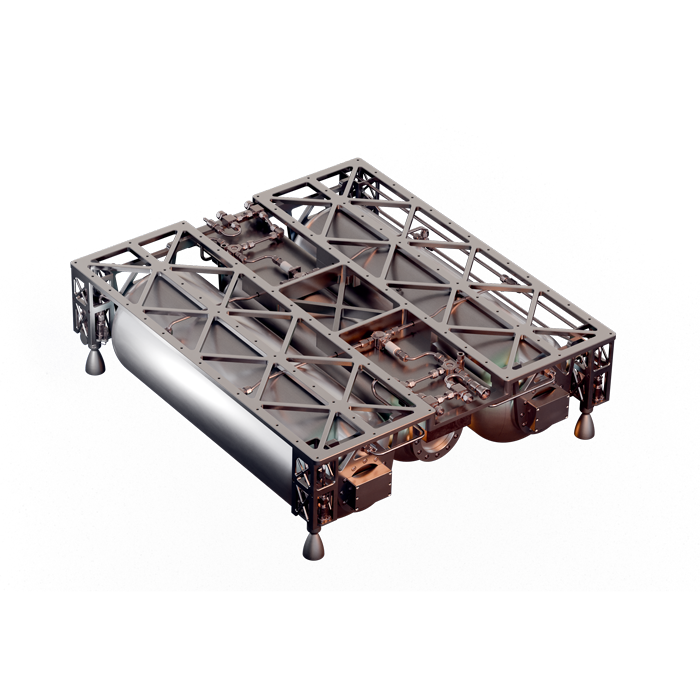
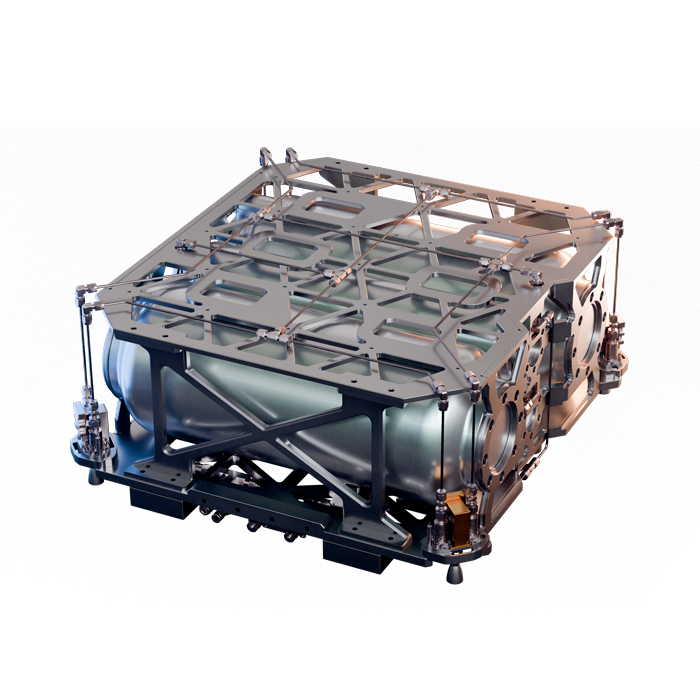
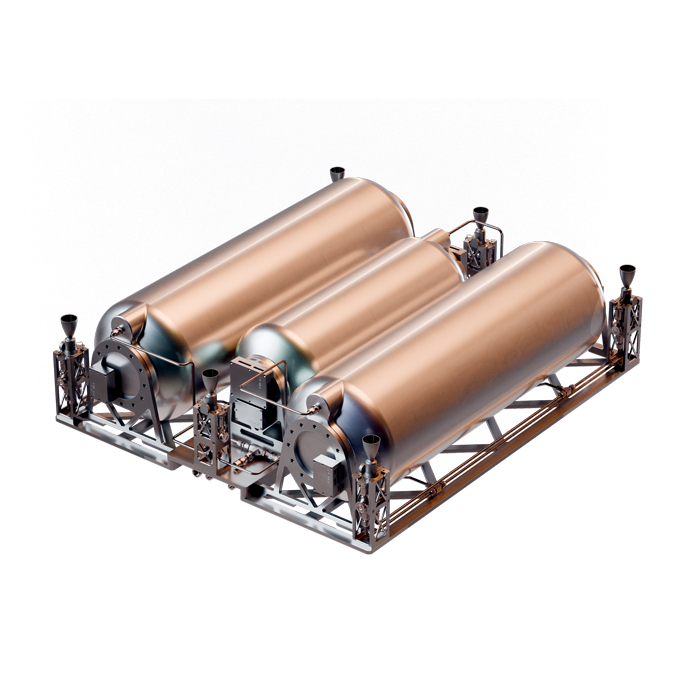
Each BOOSTER can be configured to your requirements. No custom engineering, on-time delivery.
55 kNs class
25 kNs class
Configure your BOOSTER
80 kNs class
180 kNs class
Thrusters
4 x 5N / 4 x 1N
4 x 1N
4 x 20N
6 x 20N
Your configuration
Indicative wet mass
27 - 33 kg
48 - 60 kg
60 - 80 kg
125 - 155 kg
Your configuration
Example form factor
450 x 450 x 250 mm
600 x 600 x 280 mm
800 x 700 x 245 mm
950 x 1100 x 250 mm
Your configuration
Typical spacecraft mass range
100 - 200 kg
250 - 400 kg
> 500 kg
> 500 kg
Your configuration
Typical maneuvers
Deorbiting
We don't just ship propulsion.
We get it to orbit with you.
Mission support & trade studies
plus icon
We support propulsion decisions from the start, including system sizing, architecture trades, manoeuvre planning, and mission analysis. The goal is to select the right configuration before detailed integration begins.
Export & licensing
plus icon
Our propulsion systems are ITAR-free, simplifying export approvals and opening up a wider range of launch partners and logistics options for your mission. We support the documentation and approvals required to move the system across borders and through the launch supply chain.
Spacecraft integration support
plus icon
Our team works alongside yours through spacecraft integration, from interface verification to final system checks. We are there on the ground to resolve issues quickly and keep integration moving.
Propellant loading
plus icon
BOOSTER can be loaded before transport to the launch site at a wide range of suitable facilities. Our team and global partners support the loading campaign, reducing launch-site operations and giving your programme more flexibility.
Ground logistics & launch campaign
plus icon
We support propellant loading, transport of the fuelled spacecraft, range-safety documentation, and demonstration of compliance with launch-provider requirements. Support is provided directly by our team and through qualified partners where needed.
In-orbit commissioning
plus icon
We support first activation, checkout, and initial firings after deployment. Together with your operations team, we confirm system performance and establish confidence before operational manoeuvres begin.
Operations support
plus icon
We support your team throughout the mission with training, manoeuvre planning, performance review, troubleshooting, and operational guidance. You retain direct access to the engineers who designed and built the system, with firmware updates provided when needed to improve performance and support evolving mission needs.